
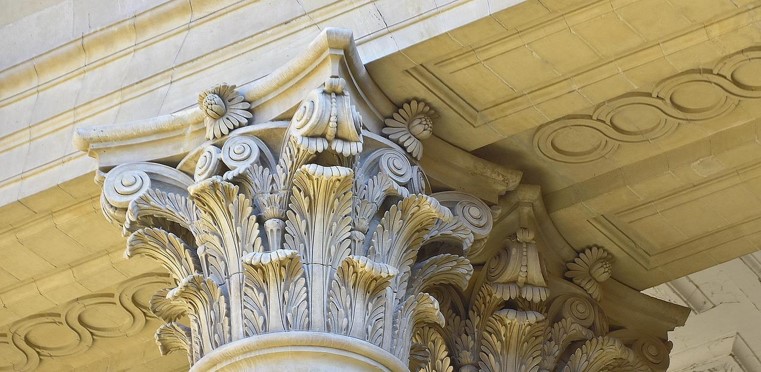
UAE offers investors long-term financial growth on their capital via both high yields and asset value growth.
Financial Outlook
UAE real estate market performance remains robust across all sectors
Dubai's real estate market remains robust across all sectors, reinforced by strong investor confidence, a diversified economy, and strategic long-term urban planning.
Residential: Sales prices rose 20% and rents 19% in 2025, with villas outperforming apartments. New supply in 2025 may stabilize growth but not slow overall momentum.
Office: Prime office rents increased 17%, reflecting continued demand from multinational corporations.
Retail: Total retail expenditure is projected to grow 6% from 2025–2027, supported by strong consumer demand.
Hospitality: Overnight visitors rose 9%, with hotel occupancy at 78% in 2026.
Outlook: Dubai's real estate is underpinned by economic fundamentals, lifestyle appeal, and progressive policies. Continued population growth, tourism, and infrastructure projects are expected to sustain growth across residential, office, retail, and hospitality markets in 2026.
Outlook
"Dubai's real estate sector continues to thrive due to strong investor confidence, a diversified economy, and a strategic vision for long-term urban development. Driven by solid economic fundamentals, attractive lifestyle offerings, and progressive policies, the city remains one of the most dynamic real estate markets globally. Sustained expatriate and tourist inflows, combined with major infrastructure projects, are expected to further support residential, office, retail, and hospitality markets in 2026 and beyond."
Hospitality Sector
Dubai's tourism sector continued its strong growth in 2025, welcoming 18.7 million overnight visitors, a 9% increase from 2023, with average hotel occupancy rising to 78%. Revenue per available room (RevPAR) grew by 1%, supported by global tourism campaigns, new hospitality brands, and innovative tourism concepts, reinforcing Dubai's position as a leading luxury and business travel destination.
Residential Sector
Dubai's residential market continued its upward trajectory in 2026, with average sales prices rising 20% to AED 1,597 per sq ft. Sales volumes reached record levels, with 44% of transactions in the secondary market. Demand remains strong for affordable, family-friendly villas and townhouses.
Gross rental yields increased to 6.7%, led by significant rent growth in Dubailand, Meydan, and International City (39–46% YoY). The rental market is dominated by cash buyers and existing residents seeking affordable villas and townhouses.
Retail Sector
Dubai's retail real estate continues to benefit from growing consumer demand and an influx of residents and tourists, with total sales projected to increase 6% between 2026 and 2027.
E-commerce is reshaping the sector, prompting brands to adopt hybrid brick-and-mortar and digital strategies. The Urban Master Plan 2040 supports the expansion of community-based retail hubs, enhancing accessibility and convenience. Strategic retail initiatives, alongside technological innovation and sustainability, are transforming neighbourhood retail experiences across the city.
Off-Market
Demand for Grade A office space surged in 2026, with premium towers like ICD Brookfield in DIFC maintaining occupancy above 95%, driven by global financial and corporate tenants.
Strong demand for prime office space led to 12% rent growth in 2026. Despite regional competition from Abu Dhabi and Riyadh, Dubai's pro-business policies and economic expansion continue to attract corporate relocations and office expansions.
Dubai's industrial real estate market continues its strong expansion, underpinned by robust demand from manufacturing, logistics, and e-commerce sectors. This growth reflects Dubai's strategic position as a regional trade and logistics hub, supported by world-class infrastructure and pro-business policies.
Among the city's industrial zones, Jebel Ali Free Zone (JAFZA), Dubai South, and Dubai Investment Park (DIP) recorded the highest rental rates, with JAFZA warehouse rents increasing 28% year-on-year. These prime industrial locations remain highly sought-after for their connectivity, operational efficiency, and access to regional and global markets.
The wider economic environment further strengthens the sector: in 2024, the UAE's imports grew by 8.4% and exports by 6.6%, reflecting sustained trade activity. Coupled with the rise of e-commerce and logistics-driven real estate demand, Dubai's industrial market is poised to remain a key growth segment in 2026, offering attractive opportunities for investors and developers targeting warehouses, logistics hubs, and flexible industrial space.
Dubai's real estate sector is well-positioned for sustained growth, driven by ambitious government initiatives, major infrastructure projects, and rising foreign direct investment. Residential, commercial, and hospitality markets are expected to maintain upward momentum, with some segments showing moderate stabilization as new supply enters the market.
The city's long-term vision, outlined in the Dubai 2040 Urban Master Plan, emphasizes sustainable urban development, enhanced transportation networks, and smart city initiatives. These strategic priorities are set to improve livability and connectivity, making Dubai increasingly attractive to investors, residents, and multinational corporations.
Overall, Dubai's diversified economy, proactive policies, and world-class infrastructure continue to reinforce its status as one of the most dynamic real estate markets globally, offering opportunities across residential, office, retail, hospitality, and industrial sectors.
1. Government Initiatives and Policies
Dubai has implemented property law reforms, relaxed visa regulations, and tax incentives to enhance the real estate sector's appeal. The introduction of long-term visas has particularly encouraged foreign ownership, boosting property transactions and strengthening Dubai's position as an attractive destination for global investors.
2. Legacy of Expo 2020
Although Expo 2020 has concluded, its infrastructure legacy continues to fuel growth. Former Expo sites have evolved into thriving residential and commercial communities, attracting international interest and reinforcing Dubai's global appeal.
3. Green and Smart Development
Sustainability and smart technology are increasingly shaping Dubai's real estate market. Eco-friendly and tech-enabled properties are in growing demand, with projects like Dubai Sustainable City setting benchmarks. Buyers increasingly seek homes that align with sustainability goals while offering advanced smart home features.
4. Market Stability and Risks
Dubai's real estate market offers strong potential but remains influenced by oil price fluctuations and global economic shifts. Nevertheless, economic diversification strategies and proactive investment-friendly policies provide a solid foundation for long-term resilience and continued growth.
Residential Market
Demand for luxury, mid-market, and affordable residential properties is expected to remain strong in 2026. Iconic locations, such as Palm Jumeirah, Downtown Dubai, and Dubai Marina, are anticipated to continue attracting high-net-worth investors, while emerging neighborhoods offer opportunities for affordable and family-oriented housing. The combination of sustained population growth, strong expatriate inflows, and robust investor confidence is expected to drive continued price appreciation and rental growth across key residential segments.
Commercial Market
Dubai's role as a global business hub continues to underpin strong demand for office and retail space, particularly in prime districts such as Business Bay, DIFC, and Dubai Internet City. The city's pro-business policies, tax incentives, and strategic economic initiatives support corporate relocations and expansions, keeping occupancy rates high. Additionally, the industrial and logistics sector is poised for growth, driven by e-commerce expansion, regional trade, and Dubai's strategic position as a major logistics and distribution hub.
Emerging Investment Areas
Newly developing neighborhoods, including Dubai South, Al Furjan, and Mohammed Bin Rashid City, are gaining attention from investors. These areas combine modern infrastructure, competitive entry prices, and integrated community planning, offering high-growth potential and attractive long-term returns.
Outlook
Overall, Dubai's real estate market in 2026 is expected to deliver balanced growth across residential, commercial, retail, hospitality, and industrial sectors, supported by sustained investor confidence, proactive government initiatives, and ongoing urban development projects. Emerging areas and strategic sectors, particularly logistics and industrial properties, are likely to provide key opportunities for investors seeking long-term growth and diversification.
High-Yield Areas and Sectors
Investors seeking strong rental returns should focus on high-yield locations such as Downtown Dubai, Dubai Marina, and Jumeirah Village Circle. These areas consistently attract interest from both residents and tourists, offering reliable rental income and strong occupancy rates.
Short-Term Rentals
The short-term rental market remains highly lucrative, particularly in tourist hotspots. With global tourism rebounding, properties in these areas can achieve higher per-night rates and flexible leasing arrangements, appealing to investors seeking immediate cash flow and quick returns.
Long-Term Appreciation
Dubai's strategic economic vision and ongoing infrastructure developments support sustained property value growth. Investing in emerging neighborhoods with relatively affordable prices provides the potential for long-term capital appreciation, making them attractive for both individual and institutional investors.
Diversifying Property Types
Diversification across residential, commercial, retail, office, and industrial assets allows investors to optimize returns while mitigating risk. Exposure to multiple sectors ensures that investors can capitalize on Dubai's broad-based real estate growth, from luxury apartments and family villas to prime office towers and industrial warehouses.
1. Research and Due Diligence
Thorough research is critical for successful investment. Understand Dubai's legal framework, property laws, and market trends to make informed decisions. Partnering with a reputable real estate consultant can simplify navigation of the market. Be aware of freehold zones where foreigners can purchase property and understand ownership regulations. Use platforms like Property Finder to monitor property prices and rental demand. For off-plan properties, choose reliable developers with strong track records. These often offer flexible payment plans. While Dubai has no property tax, factor in service charges, short-term rental permits, and other ancillary costs.
2. Work with Local Agents
Experienced local agents are invaluable, especially for first-time investors. They provide insights into high-performing areas and facilitate smooth transactions. Verify agents' licensing with the DLD and RERA. Ensure they have a proven track record in your preferred locations. Discuss market trends and key regulations to confirm their expertise.
3. Financial Planning
A sound financial plan aligns investments with long-term goals.Explore mortgage options, payment plans, and associated costs to ensure feasibility. Include additional Dubai-specific costs, such as the 4% registration fee, service charges, and developer fees, in your budgeting.
Conclusion
Dubai's real estate market in 2026 offers exciting opportunities. Supported by strong economic policies, investor-friendly regulations, and strategic urban development, the market is well-positioned for sustained growth and attractive returns across residential, commercial, hospitality, and industrial sectors.
The contents of this Outlook may contain forward -looking statements that are based on management’s beliefs, assumptions, current expectations, estimates, and projections about the real assets industry, the financial industry, the economy. These statements are not guarantees of future performance and involve certain risks, uncertainties and assumptions that are difficult to predict with regard to timing, extent, likelihood and degree of occurrence. Furthermore, Brokers and Advisers undertakes no obligation to update, amend or clarify forward- looking statements, whether as a result of new information, future events or otherwise. The information provided here is not investment, tax, or financial advice.

United Arab Emirates
Discover the resilience and adaptability of the Indian real estate market in 2024, driven by supportive regulations, transparency, and strong investor confidence.
Explore the growth across office, residential, industrial, and alternative asset classes, with a promising outlook for 2025.
United Arab Emirates
Investors benefit from both regular rental payments as well as property value increases.
Demand for high skilled professionals have increased due to introduction of artificial intelligence

United Arab Emirates
Abu Dhabi real estate market performance remains robust across all sectors.
Abu Dhabi's Real Estate Predictions report for 2026, with 2025 figures showing 20% rise in residential sales prices, 19% in rental value.
One of our team member will contact you shortly
Close
PROPERTIES FOR SALE
OFF PLAN DEVELOPMENTS
FOR RENT / LETTINGS
PROPERTIES FOR SALE
OFF PLAN DEVELOPMENTS
FOR RENT / LETTINGS
DEVELOPERS IN UAE
PROPERTIES FOR SALE
OFF PLAN DEVELOPMENTS
FOR RENT / LETTINGS
DEVELOPERS IN INDIA
REAL ESTATE GUIDE
REAL ESTATE OUTLOOK
OUR TOOLS
LIST PROPERTY
